AW Graham Lumber is the leading
supplier of high-quality vents and home ventilation accessories for construction and remodeling projects in Kentucky. Vents are an important part of any home, providing necessary ventilation for a building. Proper ventilation is vital for removing stale air and excess moisture from a building, which significantly helps to improve indoor air quality and prevent damaging mold growth. At Graham Lumber, we offer different types of vents and accessories, each with a specific purpose, including:
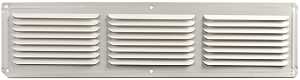
- Aluminum under-eave vent: Installed under the eaves or soffits of a roof to allow air to circulate into the attic space and prevent heat and moisture buildup.
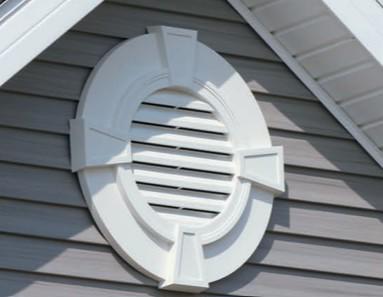
- Gable vent: Installed in the triangular gable end of a roof to provide additional attic ventilation and can also add decorative appeal.
- Octagon vent: A style of gable vent shaped like an octagon, often used to complement specific architectural styles.
- Exhaust vent scalloped: Used to exhaust air from dryer vents or bathroom fans. It features a scalloped design to help reduce noise and prevent backflow.
- Meter block: An accessory block used to provide a clean, weatherproof surface for mounting utility meter boxes to the exterior siding.
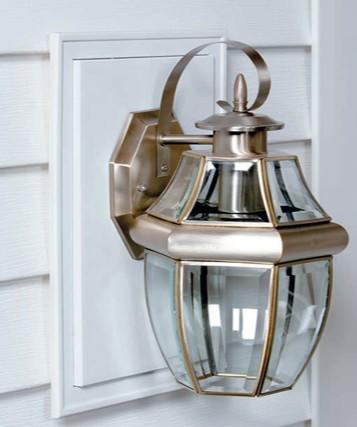
- Mount block scalloped: An accessory block used to mount exterior fixtures (including certain small vents) to a roof or siding. It has a scalloped design to add visual interest.
- Raised jumbo mount block: Used to mount larger exterior fixtures. It is raised to help prevent water from pooling around the fixture and running behind the siding.
- Recessed mini block: Used to mount smaller fixtures. It is recessed to help reduce the visibility of the accessory and provide a flush appearance.
- Split block: Designed to provide a clean installation for running utility lines or pipes through siding, often used on roofs with multiple pitches.
- Mill finish foundation vent: Used to vent a foundation or crawl space. It has a natural mill finish, meaning it is not painted or coated, making it ideal for painting to match foundation colors.
- Open air foundation vent with damper: Used to vent a foundation. It has an open-air design and includes a damper that can be manually closed to prevent cold air and moisture from entering the foundation during winter months.
Key Considerations for Effective Ventilation - The goal of attic ventilation is to balance the intake and exhaust air, which is measured by Net Free Area (NFA). Improper NFA leads to condensation in winter and excessive heat in summer.
- Net Free Area (NFA): This is the actual amount of unobstructed opening a vent provides, usually measured in square inches. Building codes typically require a minimum NFA ratio of 1:300 (1 sq. ft. of NFA for every 300 sq. ft. of attic floor space), which improves to 1:150 if the ventilation is unbalanced (e.g., only using gable vents). The best practice is always to target a 1:300 ratio with a balanced system.
- Balanced System (Best Practice): The most effective system uses a combination of low vents for air intake and high vents for air exhaust. You should aim for a 50% intake (soffit/under-eave vents) and 50% exhaust (ridge or gable vents) balance to create natural convection and prevent stagnant air pockets.
- Intake Vents (Soffit/Eave): These are vital for drawing in cooler outside air. They should be installed continuously or spaced evenly along the underside of the eaves. Without sufficient intake, exhaust vents can pull conditioned air (and moisture) directly from the living space, wasting energy.
Choosing Vents for Longevity and Efficiency - When selecting vents for your home, keep these important factors in mind to ensure effectiveness and longevity:
- Consider your climate: The ventilation rate you need depends on your climate. In a hot climate, you need more ventilation to help keep your home cool and reduce the load on your air conditioning system. In a cold climate, ventilation is crucial to prevent damaging moisture buildup and ice dams on your roof.
- Determine the size of your home and attic: The size of your home and the volume of the space being ventilated (like the attic or crawl space) will dictate the NFA required (use the 1:300 rule). A larger home requires more total ventilation area than a smaller home.
- Focus on high-quality materials: Vents must be able to withstand the elements, including UV exposure and moisture, so choose products made of high-quality, durable materials like vinyl, aluminum, or weather-resistant plastic.
- Ensure proper sizing and installation: Vents must be correctly sized to meet your home's needs and installed according to manufacturer instructions and local building codes for maximum effectiveness and energy efficiency. Never block the air passage between the soffit vent and the attic with insulation; use baffles to maintain the airway.
Where to
buy vents in Kentucky? For ensuring proper airflow and enhancing finished exterior aesthetics,
AW Graham Lumber (
GrahamLumber.com), your dedicated local building supplies one-stop shop, offers a wide selection of high-quality
mount blocks and gable vents, all available at dirt cheap prices! As a comprehensive lumberyard and home improvement store, our inventory is stocked with essential exterior ventilation and finishing products, including decorative and functional
gable vents, necessary
mount blocks for clean siding installations, and discreet solutions like
under-eave vents, plus many more ventilation accessories. Conveniently located at the junction of Highway 57 North and Maddox Pike in Flemingsburg, Kentucky, USA, this local lumber store proudly serves contractors and homeowners across
Kentucky and the surrounding nearby regions, including
Ohio,
West Virginia, and
Indiana; feel free to
contact us for expert product assistance.